By: Rukayyat Sadauki
A quiet but consequential meeting in Abuja on Tuesday may well echo across the global digital economy in the years to come.
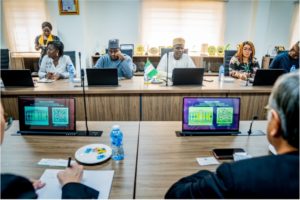
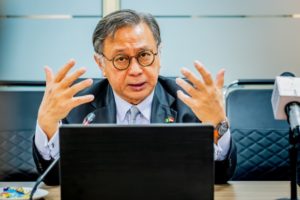
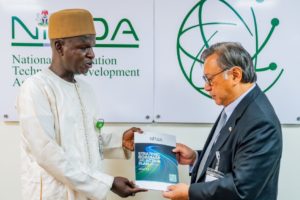
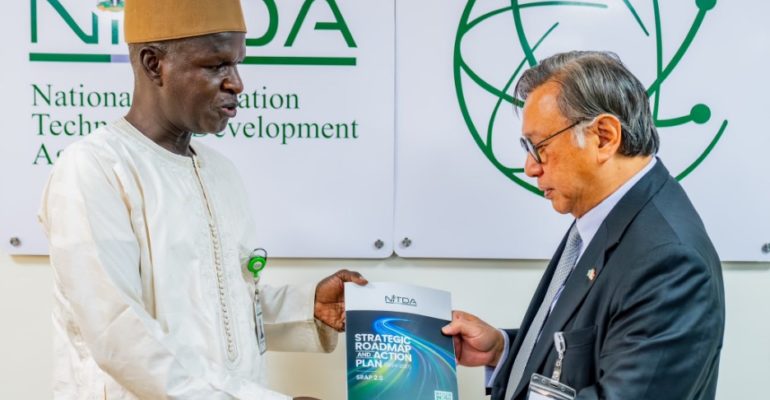
At the Headquarters of the National Information Technology Development Agency (NITDA), the Non-Resident High Commissioner of the Republic of Singapore to Nigeria paid an official visit that went far beyond diplomatic courtesy. It was a meeting of minds and ambitions between two nations positioning themselves for leadership in the fast-evolving world of artificial intelligence, digital governance, and emerging technologies.
The engagement could be described as digital handshake, that underscores Nigeria’s growing confidence on the global technology stage and Singapore’s interest in deepening strategic partnerships in Africa’s largest economy.
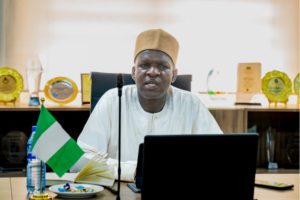
Representing the Director General of NITDA, Malam Kashifu Inuwa, the Director, the e-Government and Digital Economy Department, Engr. Salisu Kaka, PhD hosted the Singaporean envoy in a high-level dialogue focused on collaboration, innovation, and policy alignment. The discussions reflected a shared understanding that the future of economic growth will be driven not by natural resources alone, but by data, skills, and intelligent systems.
During the meeting, Engr. Kaka highlighted Nigeria’s deliberate shift from being merely a consumer of digital solutions to becoming a proactive architect of technological futures. Central to this transformation, he explained, is Nigeria’s National Artificial Intelligence Strategy, coordinated by the Federal Ministry of Communications, Innovation and Digital Economy, with NITDA playing a pivotal role in implementation. The strategy is designed to position Nigeria competitively in the global AI ecosystem while ensuring ethical use, local relevance, and inclusive growth.
He also showcased NITDA’s strides in building human capital through nationwide digital literacy initiatives. Flagship programmes such as the National Digital Literacy Framework and the Digital Literacy for All (DL4ALL) Initiative, he noted, are laying the foundation for a digitally empowered population—one capable not only of using technology, but of creating and governing it.
Both delegations emphasised that technology alone cannot drive transformation without supportive policy environments. They agreed on the urgent need for clear, forward-looking government policies and strong regulatory frameworks that can stimulate private-sector innovation and attract investment. Attention was given to emerging areas such as digital assets, blockchain technologies, and cryptocurrency—fields where innovation must be balanced with stability and public trust.
Beyond dialogue, the meeting explored practical pathways for cooperation. Among the options discussed were Nigeria’s potential participation in the Singapore Cooperation Programme, as well as targeted policy, technical, and capacity-building support from Singapore to strengthen Nigeria’s digital institutions and workforce.
The visit reflects a growing international recognition of Nigeria’s digital potential and a shared belief that cross-border collaboration is essential in a rapidly globalizing tech ecosystem. As Singapore brings its reputation for efficiency, innovation, and regulatory clarity, Nigeria offers scale, talent, and a dynamic digital market.
While no agreements were signed at the meeting, the signals were unmistakable. Nigeria–Singapore relations in the digital transformation space are gaining momentum—and if today’s conversations translate into action, they could help redefine Nigeria’s role in the global digital economy.